

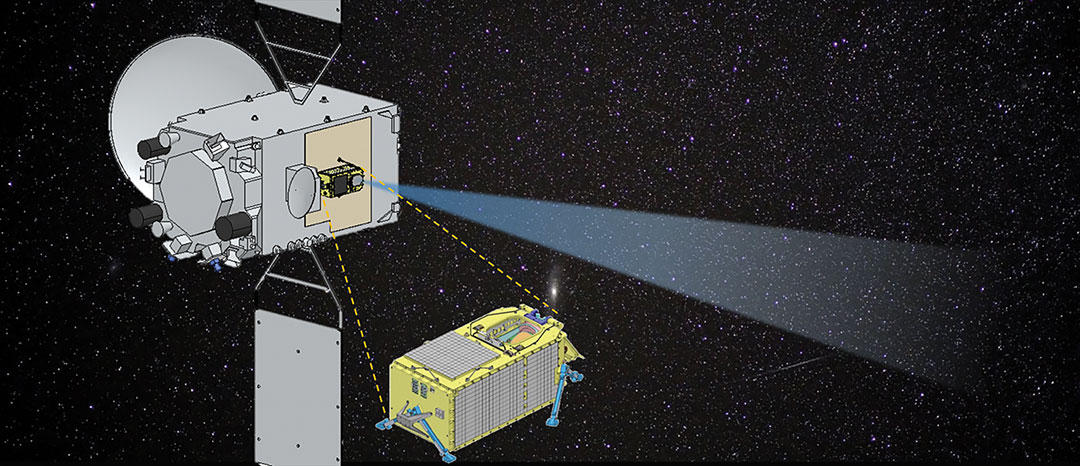
Two instruments Japan is launching for the United States Space Force mark the beginning of what the service hopes will be a lasting technology partnership.
The first of the two optical instruments lifted off in February 2025 from the Tanegashima Space Center atop an H3 rocket, the new mainstay launch vehicle for JAXA — the Japanese Aerospace Exploration Agency. Both instruments were developed for the Space Force by the Massachusetts Institute of Technology Lincoln Laboratory. They ride into orbit attached to new Michibiki satellites that are part of Japan’s version of GPS – the Quasi-Zenith Satellite System or QZSS.
In a further demonstration of cooperation between the two nations, the National Oceanic and Atmospheric Administration (NOAA) will provide ground communication for the Japanese satellites.
“The U.S. benefits through deploying U.S. national security sensors and payloads via allied satellites, and Japan benefits by NOAA enabling them to host QZSS ground sites at U.S.-owned sites,” Space Force Col. Bryon McClain said at a ceremony in Japan in November 2024. “This is a huge success for the outstanding team, and both nations.”
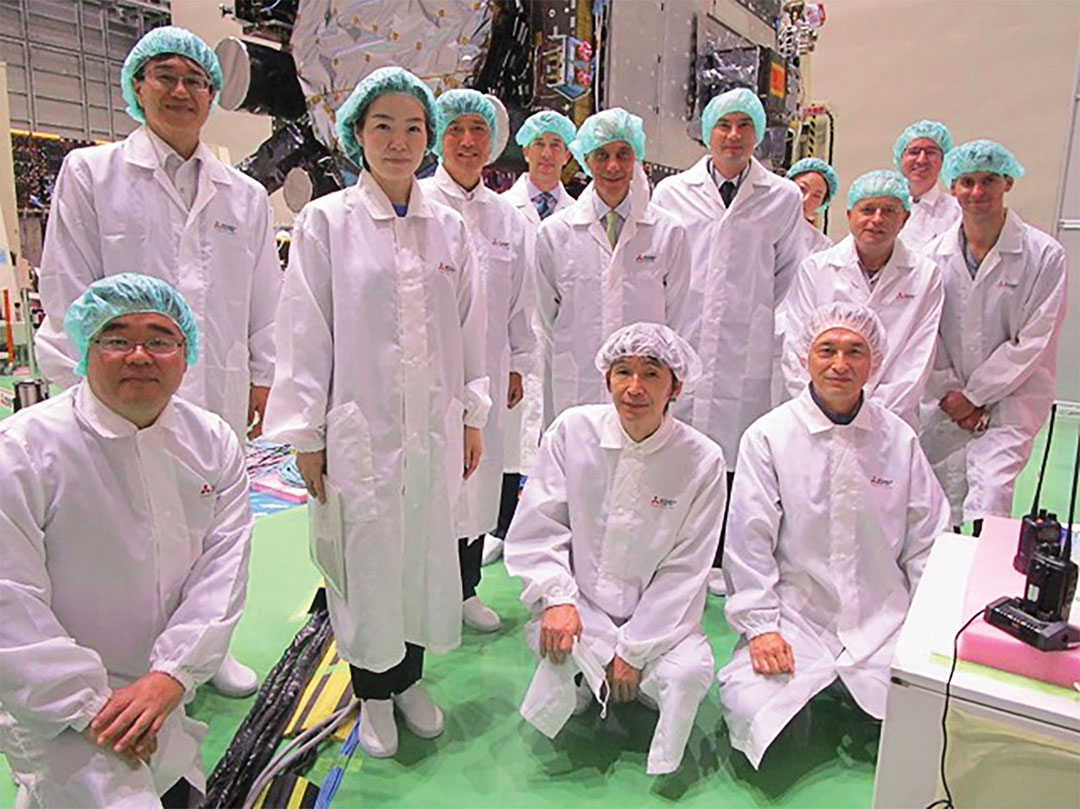
The second payload is set for a 2026 launch, according to a news release from the service’s Space Systems Command.
Helping strengthen the relationship is the activation in December 2024 of a Space Force component in Japan. U.S. Space Forces Japan will provide personnel and space expertise to U.S. Space Forces Indo-Pacific. The move comes as Japan’s Ministry of Defense is prioritizing space in its national defense strategy, pledging to spend billions in the effort.
Space Force is also interested in Japan’s development of a deep-space radar and a standalone space domain awareness satellite slated to launch in the next few years, the Defense News website reported.